Introduction
Many men notice something frustrating after turning 40.
The diet that worked in their 20s and 30s suddenly stops working. Weight creeps up, energy drops, and belly fat becomes harder to lose.
This isn’t just about willpower. The body changes with age.
Metabolism slows slightly, testosterone levels gradually decline, and muscle mass begins to decrease. All of these factors influence how your body processes food.
The good news is that the right diet can make a significant difference.
A well-structured eating plan can help men over 40:
- maintain muscle mass
- reduce body fat
- improve energy levels
- support hormone health
- protect long-term health
Let’s break down what the best diet for men over 40 actually looks like.

Why Diet Matters More After 40
Slower Metabolism
Metabolism gradually slows as we age, partly due to reduced muscle mass.
Muscle tissue burns more calories than fat, even at rest. As muscle declines, daily calorie needs decrease slightly.
This is why maintaining muscle through diet and training becomes essential.
Declining Testosterone
Testosterone levels naturally decline over time. Lower levels are linked to:
- reduced muscle mass
- increased fat storage
- lower energy
- slower recovery
Nutrition plays a direct role in supporting hormonal health.
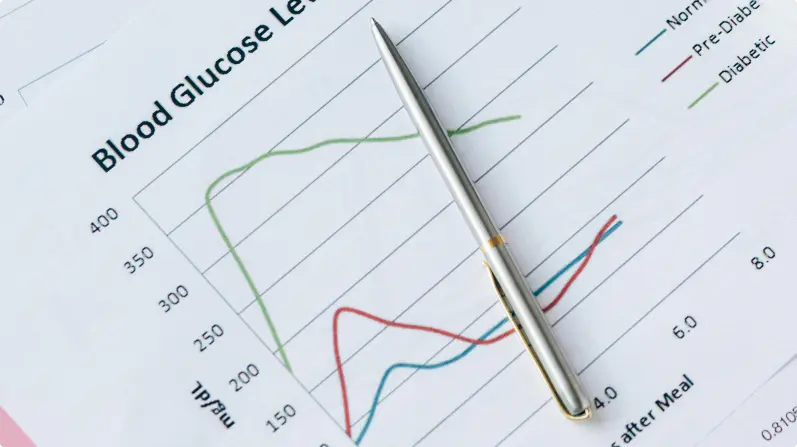
Increased Insulin Resistance
As men age, the body often becomes less efficient at handling carbohydrates.
This can lead to:
- blood sugar spikes
- increased fat storage
- energy fluctuations
A diet that stabilises blood sugar becomes increasingly important.
The Core Principles of the Best Diet for Men Over 40
1. Prioritise Protein
Protein becomes more important with age.
It helps:
- preserve muscle mass
- support metabolism
- improve satiety
- aid recovery
Most men under-consume protein.
Aim for:
1.6–2.2 grams per kilogram of bodyweight per day
Good sources include:
- eggs
- chicken
- lean beef
- fish
- Greek yoghurt
- legumes
Include protein in every meal where possible.
2. Focus on Whole Foods
Highly processed foods are often high in sugar, refined carbs, and unhealthy fats.
These contribute to:
- weight gain
- energy crashes
- inflammation
Instead, build your diet around:
- vegetables
- fruits
- whole grains
- lean proteins
- healthy fats
Simpler food choices tend to produce better long-term results.
3. Manage Carbohydrates Wisely
Carbohydrates are not the problem — quality matters.
Choose slow-digesting carbs such as:
- oats
- brown rice
- quinoa
- sweet potatoes
- wholegrain bread
Limit:
- sugary drinks
- refined grains
- sweets and pastries
These cause rapid blood sugar spikes and crashes.

4. Include Healthy Fats
Healthy fats are essential for hormone production and brain function.
Important sources:
- olive oil
- avocados
- nuts and seeds
- fatty fish (salmon, mackerel, sardines)
Omega-3 fats, in particular, support heart health and reduce inflammation.
5. Eat Plenty of Vegetables
Vegetables provide fibre, vitamins, and antioxidants.
These support:
- digestion
- immune health
- hormone balance
- cardiovascular health
Aim for at least:
5 servings per day
Focus on variety and colour.

A Simple Daily Diet Structure
A consistent structure helps simplify decision-making.
Breakfast
Start with protein to stabilise energy.
Example:
- scrambled eggs
- wholegrain toast
- avocado
- Greek yoghurt with berries
Lunch
Focus on protein and fibre.
Example:
- grilled chicken salad
- olive oil dressing
- quinoa or brown rice
Dinner
Keep meals balanced but not overly heavy.
Example:
- baked salmon
- sweet potatoes
- roasted vegetables
Snacks (Optional)
Useful for preventing overeating.
Options:
- Greek yoghurt
- nuts
- cottage cheese
- fruit

Key Nutrients Men Over 40 Should Prioritise
Certain nutrients become more important with age.
Protein
Supports muscle and metabolism.
Magnesium
Supports sleep, recovery, and muscle function.
Vitamin D
Linked to immune health and testosterone levels.
Omega-3 Fatty Acids
Support heart health and reduce inflammation.
Fibre
Improves digestion and reduces disease risk.
Research in the American Journal of Clinical Nutrition (2018) highlights the importance of adequate protein intake in maintaining muscle mass with ageing.
Foods Men Over 40 Should Limit
Some foods can negatively affect health when consumed regularly.
Ultra-Processed Foods
High in calories and low in nutrients.
Sugary Drinks
A major contributor to weight gain.
Excess Alcohol
Can:
- disrupt sleep
- increase belly fat
- reduce testosterone
Moderation is key.
The Role of Meal Timing
Meal timing can support metabolic health.
Simple strategies include:
- eating three balanced meals daily
- avoiding late-night eating
- allowing 12–14 hours overnight without food
This can improve insulin sensitivity and digestion.
Hydration Matters More Than You Think
Even mild dehydration can cause:
- fatigue
- headaches
- reduced performance
Aim for:
2–3 litres of water per day
Coffee and tea can contribute, but water should be the main source.
Lifestyle Habits That Make a Diet Work
Diet works best when combined with:
- strength training
- regular walking
- quality sleep
- stress management
These habits support metabolism, hormones, and long-term health.

SUMMARY
The best diet for men over 40 is not about restriction or extreme dieting.
It is built on simple principles:
- prioritise protein
- eat whole foods
- choose better carbohydrates
- include healthy fats
- eat plenty of vegetables
- limit processed foods and alcohol
Consistency matters more than perfection.
With the right habits, men can maintain energy, strength, and health well into later life.
FAQ
What is the best diet for men over 40?
A balanced diet based on whole foods, lean protein, healthy fats, and complex carbohydrates.
Should men over 40 cut carbs?
No. Focus on quality rather than eliminating carbohydrates.
How much protein is needed after 40?
Around 1.6–2.2 grams per kilogram of bodyweight.
Is intermittent fasting effective after 40?
It can help some men, but consistency and total nutrition matter more.
What foods help reduce belly fat?
Protein-rich foods, fibre, and whole foods combined with a calorie-controlled diet.
SCIENTIFIC REFERENCES
- Morton RW et al. (2018). Protein intake and muscle mass. British Journal of Sports Medicine
- Phillips SM (2014). Protein requirements and ageing. Applied Physiology, Nutrition, and Metabolism
- Hu FB (2013). Diet and cardiovascular disease. New England Journal of Medicine
- Mozaffarian D et al. (2011). Changes in diet and lifestyle. New England Journal of Medicine
- American Journal of Clinical Nutrition (2018). Nutrition and ageing